 Andrew Kwak
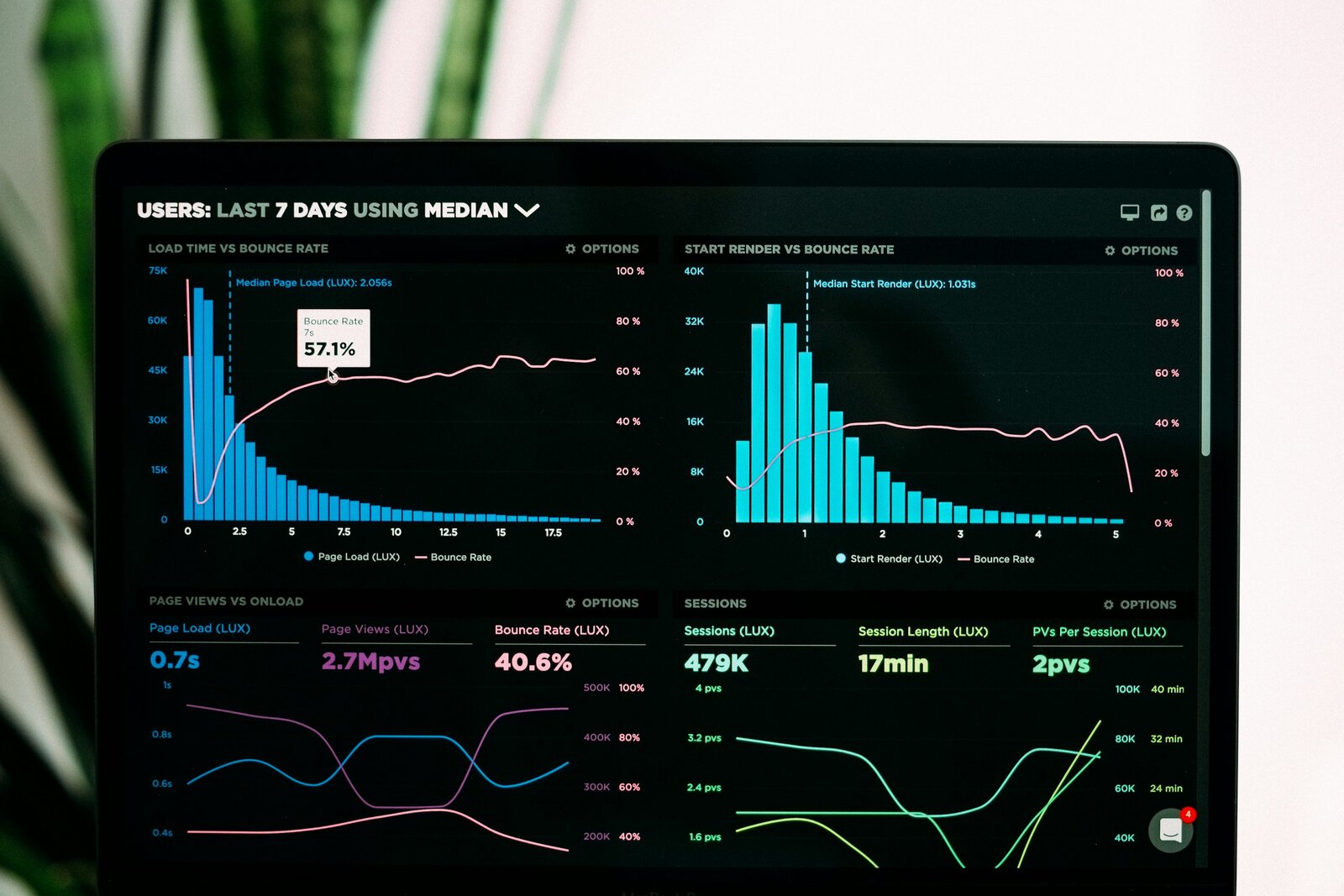
At some point most owners catch themselves saying a version of the same thing: we cannot keep running this on spreadsheets, one mistake is going to cost us, our competitors already have a system. Manual work holds up until one day it does not, and the moment it gives way is obvious in hindsight and uncomfortable at the time.
For Australian businesses, the choice of development partner matters more than it looks. Offshore work is cheaper on paper, but recourse is harder when something breaks, and the contract, the invoices and the support all sit in another jurisdiction. The six cases below are local builds. In each one, the system was what let the business keep growing without breaking.
1. A multi-store F&B brand going overseas

A Melbourne dessert brand was running five Australian stores and preparing to open in two overseas markets. The growth had outpaced their accounting setup. Currency, language, and tax differences across countries kept the team stuck on manual reconciliation at month end.
We built a multilingual store-management system with a real-time sales and inventory dashboard and automatic currency handling. Store-data consolidation that had taken days dropped to a near-instant view, and inventory shrinkage came down noticeably as visibility improved.
2. A startup whose payroll outgrew its tools
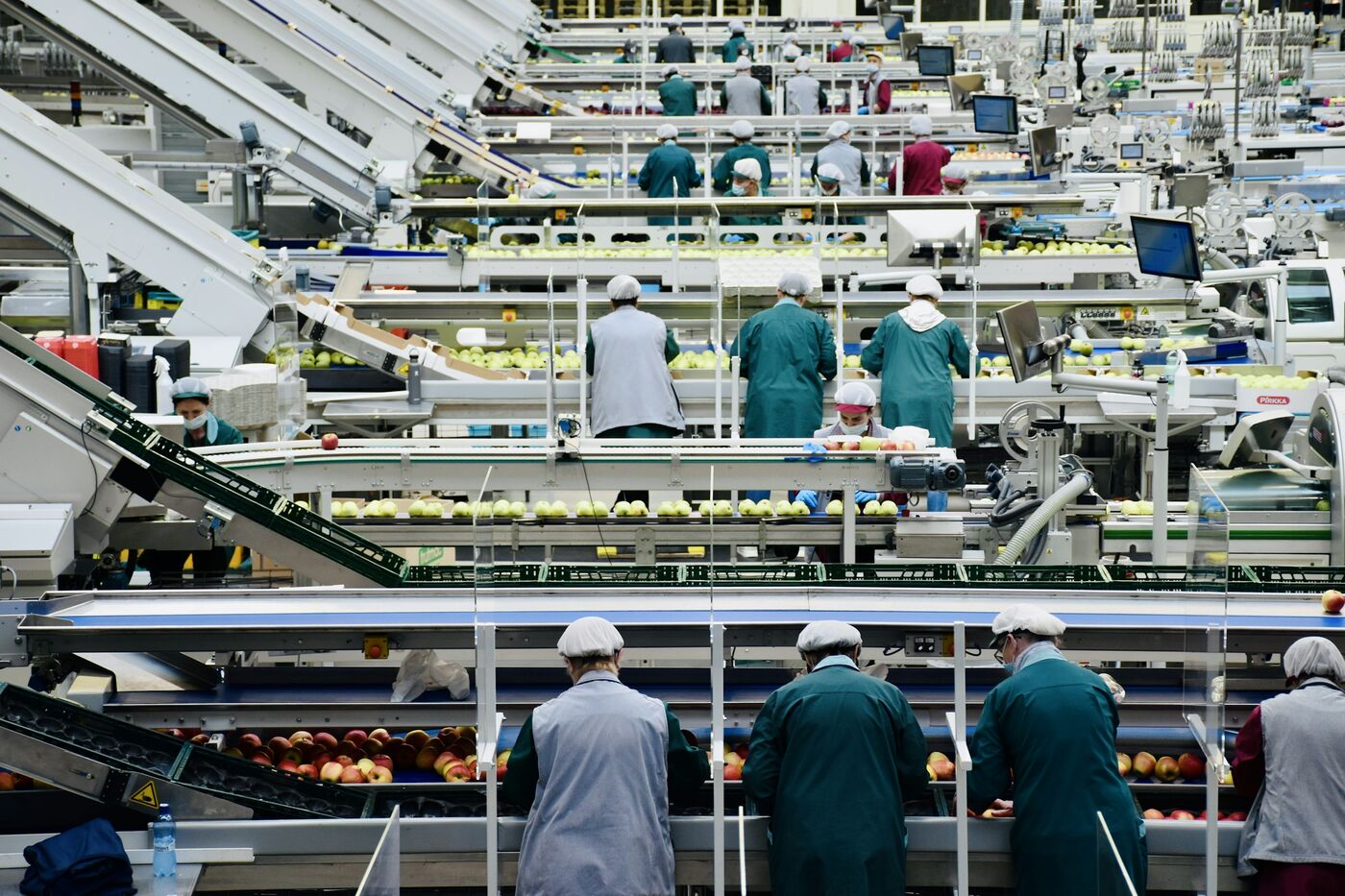
A services startup we worked with went from three people to thirty in a year. The payroll process that worked at three was producing errors at thirty, and the HR lead was spending most of their week on overtime calculations and weekend rates.
A custom HR system absorbed timesheets, leave, payslips, and award interpretation, with a mobile app for staff. Processing time fell sharply, and the HR lead got their week back.
3. A manufacturer moving off paper inventory
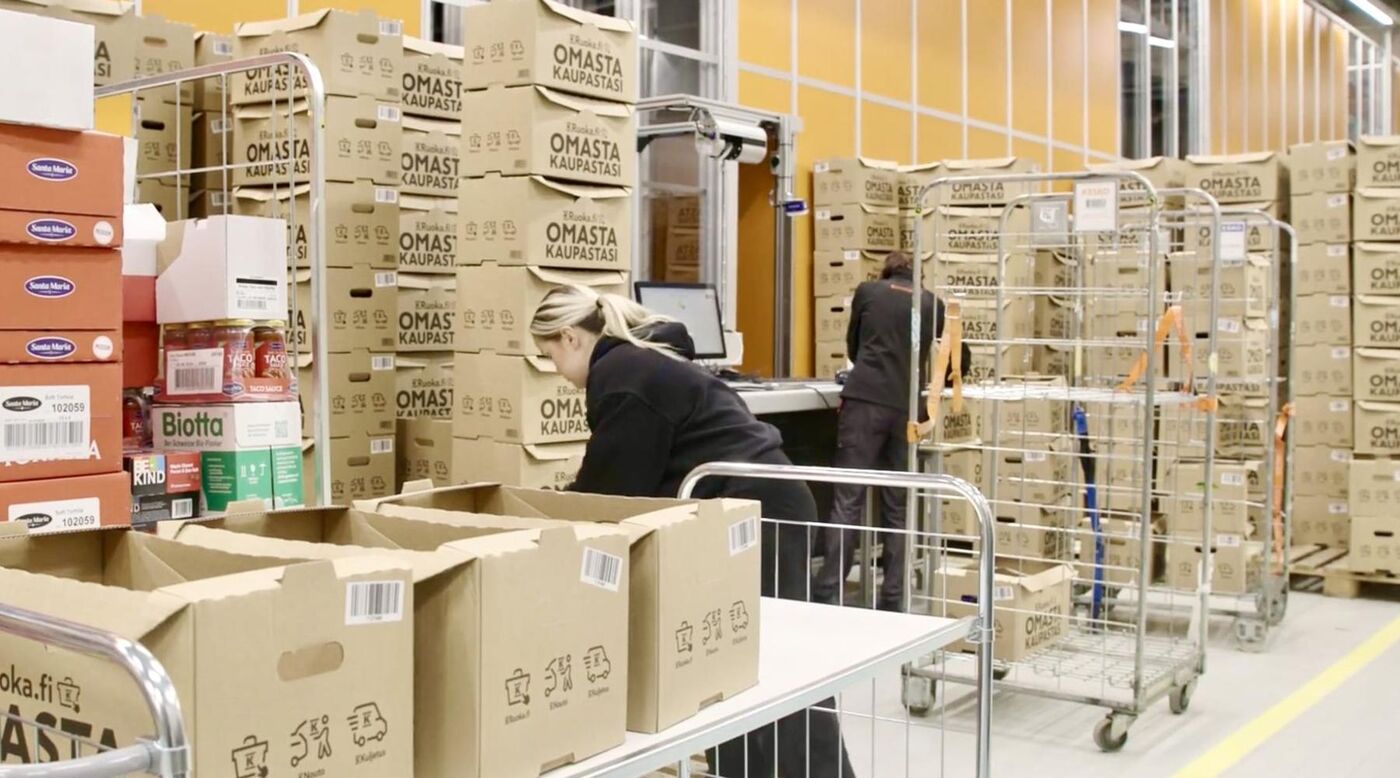
A three-decade-old metalworks shop was running inventory by hand. They once paused production because a critical material had quietly run out. That was the conversation that started the project.
We built a real-time inventory system that triggers reorders automatically at threshold and ties stock levels to the production schedule, so materials are queued before they are needed. Stockout-driven delays went to zero and turnover improved within the first quarter.

4. A Sydney logistics operator routing by hand
A delivery business was planning thirty-plus daily routes manually, with traffic patterns increasingly making the plan obsolete by mid-morning. Delivery times were drifting up, fuel costs with them.
We built a routing system that factors in live traffic. Drivers get the day's route on a mobile app and managers see live progress on a dashboard. Deliveries that took two to three days became same-day for most jobs, and fuel costs fell with the extra kilometres.
5. An e-commerce business buried in support
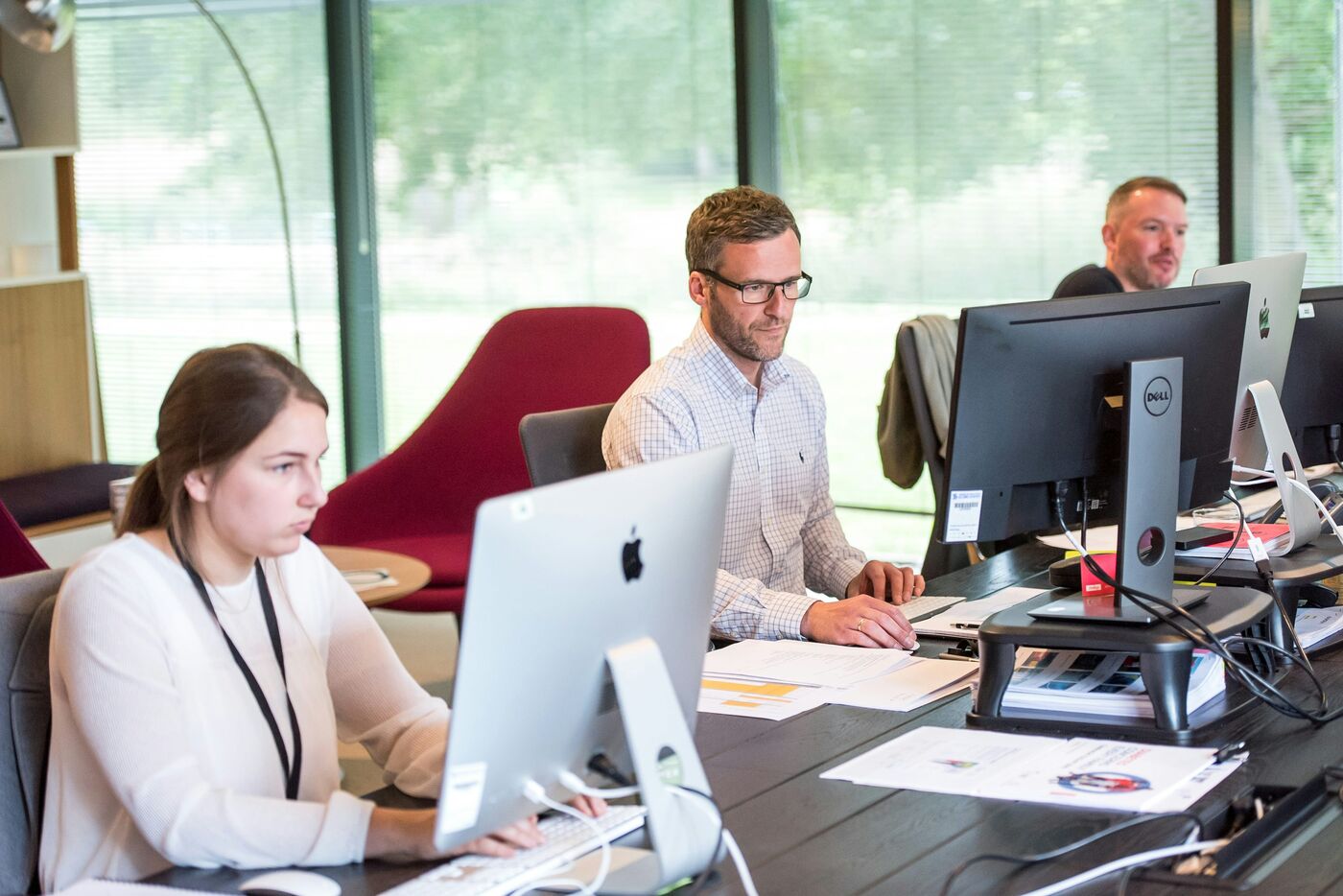
A homewares retailer was seeing inquiries climb in lockstep with sales. The CS team was burning out on repetitive questions, and the customers who actually warranted attention were getting the same generic responses as everyone else.
An AI assistant on top of an integrated customer record took on the routine questions, so the team could focus on the unusual ones and run a proper repeat-customer programme. Response times came down and satisfaction scores went up.

6. A law firm where the system is the product
For a firm handling sensitive client material, the system itself had to be defensible. The brief was strict access controls, document encryption at rest, and anomaly detection on file access, with a full audit log on every touch.
The build produced all three, plus scheduled security routines that run without anyone remembering to trigger them. The firm earned its information-security certification on the back of it, which became a real point of difference with clients.
The pattern
Each of these businesses hit a point where manual process was costing more than the system would. The build itself was the easy part. The hard part was recognising the moment. The signal is usually plain once you look for it. Friction climbs in places that used to be quiet, errors appear where there were none, and senior people spend their days on work that should not need them.